Auto Repair Services You Should Never Overlook for Vehicle Longevity
Extending a vehicle's long-term performance requires attention to several key auto repair services. Scheduled oil changes, brake evaluations, and tire rotations play essential roles in guaranteeing peak performance and safety. Overlooking these essential services can lead to costly repairs and unexpected breakdowns. Recognizing the importance of these maintenance tasks is crucial for all vehicle operators. The question remains: what further maintenance should be considered to maximize the lifespan of your vehicle?
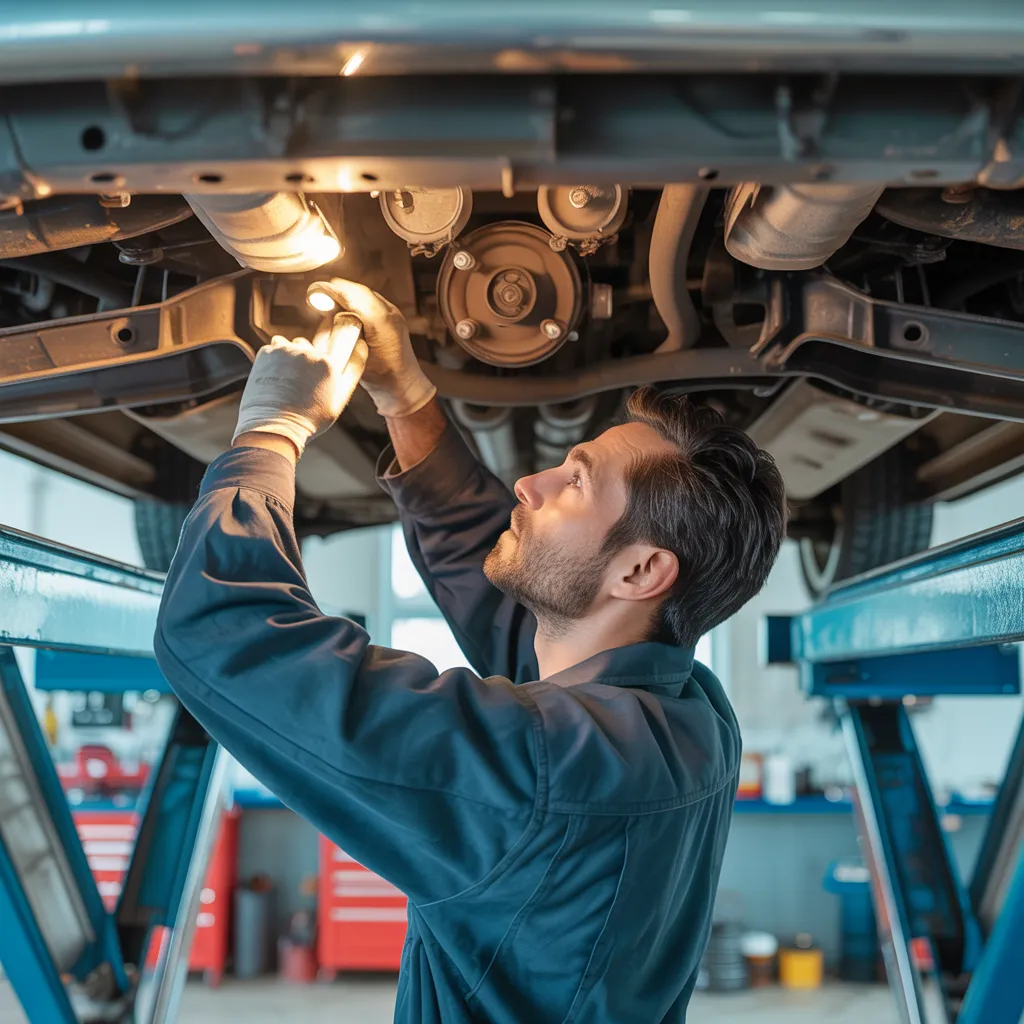
The Significance of Regular Oil Changes
Consistent oil changes are vital for sustaining a vehicle's efficiency and durability, as they guarantee that the engine runs efficiently. Motor oil coats moving components, minimizing friction and inhibiting wear. As time passes, oil breaks down, reducing its performance and collecting debris that can compromise engine components. Regular oil changes guarantee that fresh oil circulates, providing ideal lubrication and protection.
Overlooking this duty can result in the accumulation of sludge, decreased fuel efficiency, and ultimately, expensive maintenance. Auto manufacturers often recommend specific intervals for oil changes, typically every 3,000 to 5,000 miles, based on the oil type selected and road conditions. Adhering to these guidelines not only boosts engine function but can also enhance the car's market value. Furthermore, consistent oil changes can assist in detecting possible problems at an early stage, enabling prompt maintenance. Overall, maintaining a consistent oil change schedule is a fundamental aspect of vehicle care that contributes greatly to its longevity.
How Brake Inspections Can Save You Money
Periodic brake evaluations can significantly lower ongoing costs for vehicle owners. By identifying potential issues early, such evaluations help avoid significant repair costs that arise from neglect. To illustrate, degraded brake pads often result in significant rotor damage, which are considerably more expensive to replace. Timely inspections guarantee that all brake elements are performing optimally, thus boosting the overall reliability and safety of your car.
Moreover, keeping superior brake functionality can boost fuel efficiency. When brakes are failing to operate correctly, the vehicle may require more energy to perform, producing increased fuel consumption. Furthermore, regular inspections can help avert accidents, which can lead to expensive insurance disputes and increased rates.
Why Tire Rotations Are Essential for Safety
Tire rotations serve a vital purpose in ensuring optimal vehicle safety and performance. Consistently rotating tires supports balanced wear, increasing their longevity and sustaining superior traction. Uneven tire wear can lead to reduced grip, particularly during challenging weather conditions, increasing the risk of accidents.
What's more, irregularly worn tires can negatively affect the handling and stability of a vehicle, making it challenging for motorists to control their vehicles. Proper tire alignment, achieved through routine rotations, contributes to better fuel efficiency, as properly balanced tires require less energy to move.
Most manufacturers recommend tire rotations every 5,000 to 8,000 miles, but this recommendation may change according to driving habits and vehicle type. Sticking to this routine not only improves overall safety but also ensures optimal vehicle performance. Neglecting regular tire rotations can cause the need for premature and costly tire changes and put both the driver and other road users at risk.
Important Fluid Checks You Need to Perform
Vehicle safety maintenance involves more than just tire rotations; it also includes checking several essential fluids critical for optimal performance. Regular checks on engine oil, coolant, brake fluid, transmission fluid, and power steering fluid help avoid expensive repairs and ensure dependable performance. Engine oil keeps critical components lubricated, minimizing friction and heat buildup, while coolant manages engine temperature to avoid overheating. Brake fluid ensures reliable braking performance, and depleted levels can result in brake failure. Transmission fluid guarantees smooth gear shifts and protects against wear. Power steering fluid facilitates easy maneuvering, enhancing driver control.
Ignoring these evaluations can contribute to diminished vehicle performance and safety hazards. Drivers should check their vehicle manual to identify advised fluid levels and check-up schedules. By committing to these important fluid assessments, drivers can enhance their vehicle's lasting performance and reliability, ultimately enhancing their total driving enjoyment.
Why Regular Battery Maintenance Prevents Breakdowns
Routine battery upkeep is essential for preventing unexpected breakdowns and prolonging battery lifespan. By recognizing signs of battery failure early, drivers can act promptly to avoid inconvenience. Following basic battery care guidelines can considerably boost vehicle reliability and longevity.
Battery Life Improvement Tips
Ensuring a vehicle's battery remains in peak condition is essential for preventing unexpected breakdowns. Routine upkeep is key to prolonging battery life. Keeping battery terminals clean and free of corrosion can greatly improve performance. Periodically inspecting the battery's fluid levels to confirm they meet recommended standards is highly recommended. Moreover, keeping connections tight and secure can minimize vibrations that might compromise components. Severe temperature fluctuations can reduce battery life, so storing the vehicle in shaded or temperature-regulated environments is recommended. Finally, routine battery testing, particularly before long trips, can identify potential issues early. Adopting these practical recommendations can enable drivers to steer clear of unexpected failures and extend the overall life of their vehicle.
Signs of Battery Failure
How do drivers identify the initial indicators of battery failure? Observing specific indicators can help prevent unexpected breakdowns. A vehicle experiencing trouble starting, especially during cold weather, may suggest deteriorating battery power. Additionally, dimming headlights or electrical issues, like malfunctioning power windows, often point to insufficient power supply. Drivers should also check for corrosion around battery terminals, which can hinder performance. Any noticeable swelling or leakage from the battery casing points to a severe problem and necessitates immediate action. Regular maintenance, such as cleaning terminals and testing battery voltage, can greatly extend battery life. By being vigilant and addressing these signs promptly, drivers can guarantee their vehicle remains reliable and avoid costly breakdowns.
Telltale Signs You Need a Professional Inspection
At what point should a vehicle owner think about arranging a professional inspection? Several indicators may suggest the need for professional attention. Abnormal noises, including grinding or squeaking, may point to mechanical concerns that necessitate immediate attention. Furthermore, dashboard warning lights, such as the check engine light, should always be taken seriously, as they frequently indicate underlying issues. When a vehicle shows signs of declining performance, such as sluggish acceleration or reduced fuel economy, this can also call for a professional inspection.
Furthermore, unusual vibrations or handling issues can point to suspension or alignment issues that endanger safe driving. Vehicle owners should also schedule a professional inspection after encountering major shifts in driving conditions, such as a brutal winter or significant rainfall. Regular inspections can ultimately prevent costly repairs and prolong the life of the vehicle, making them vital for preserving overall vehicle health.
Popular Questions We Receive
How Regularly Should I Check My Air Filter?
Air filters need to be examined every 12,000 to 15,000 miles, or at shorter intervals in dusty environments. Consistent inspections secure peak engine performance and fuel efficiency, promoting the general well-being of the vehicle.
What Are the Signs of a Failing Alternator?
Symptoms of a defective alternator consist of fading headlights, a drained battery, strange noises, dashboard warnings on the see the full story instrument panel, and trouble starting the vehicle. Such indicators suggest possible electrical problems that demand immediate inspection and assessment.
Can I Skip Maintenance if My Car Is New?
Overlooking maintenance on a new car is ill-advised. Consistent servicing secures top performance, eliminates future concerns, and upholds warranty terms. Neglecting scheduled services may lead to costly repairs down the line, impacting vehicle reliability.
How Does Driving Style Affect Vehicle Longevity?
The way you drive plays a major role in vehicle longevity. Frequent short trips, aggressive acceleration, and hard braking can result in excessive wear and tear, while regular maintenance, smooth driving, and maintaining steady speeds support prolonged vehicle performance and lifespan.
What Steps Should I Take if My Check Engine Light Turns On?
Upon the check engine light turning on, one should without delay examine your vehicle's overall performance, consult the owner's manual, and strongly consider to seek professional diagnostics. Disregarding the light can result in further complications and high repair costs.